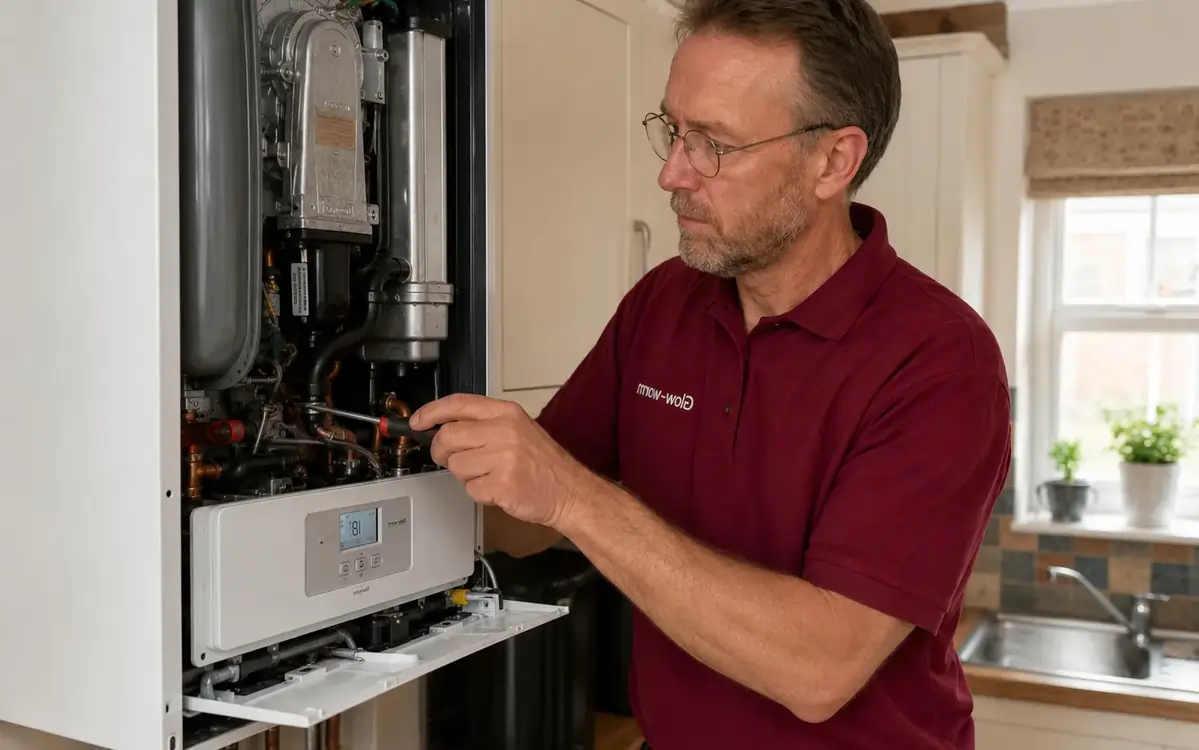
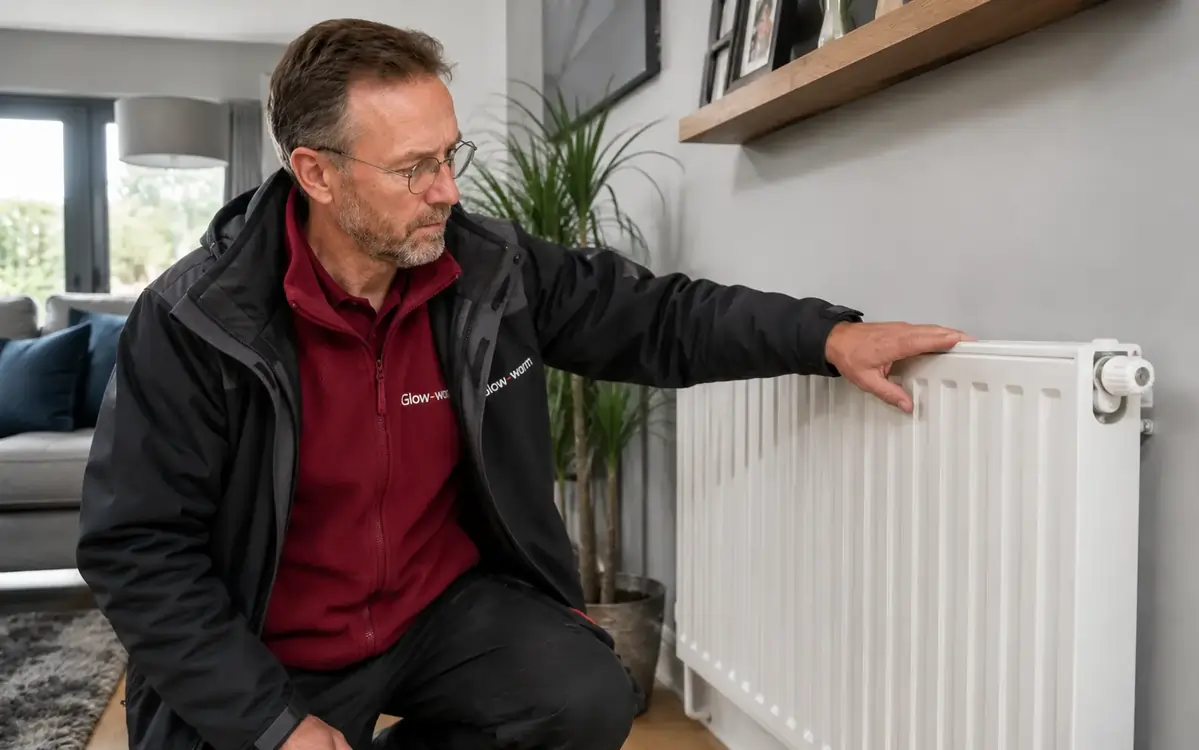
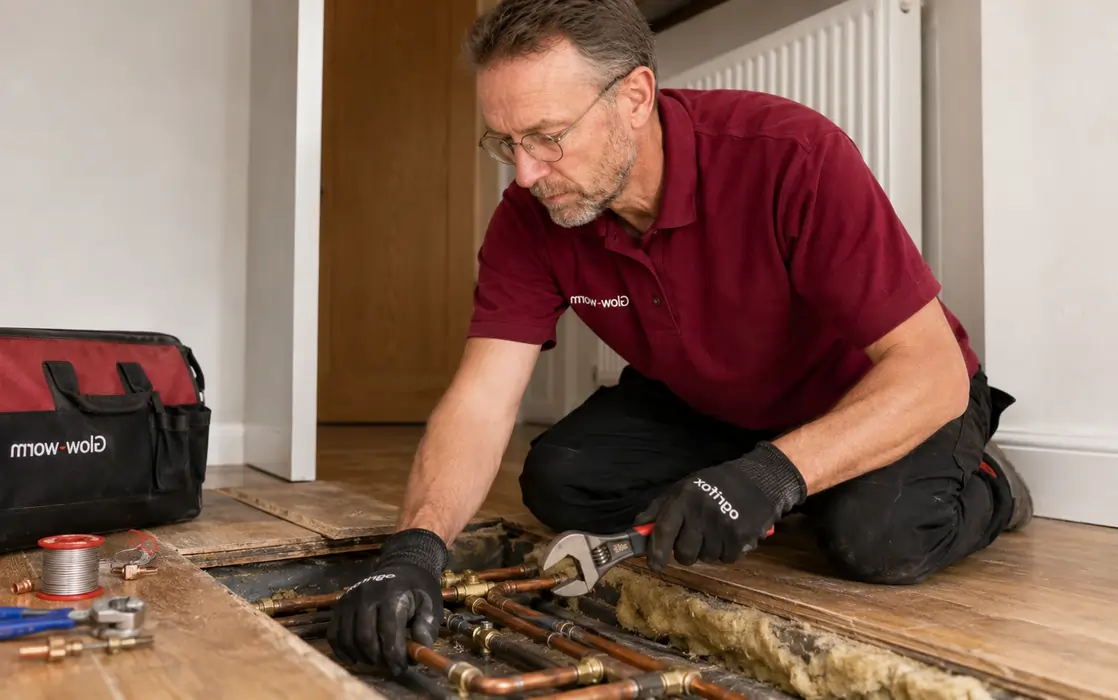
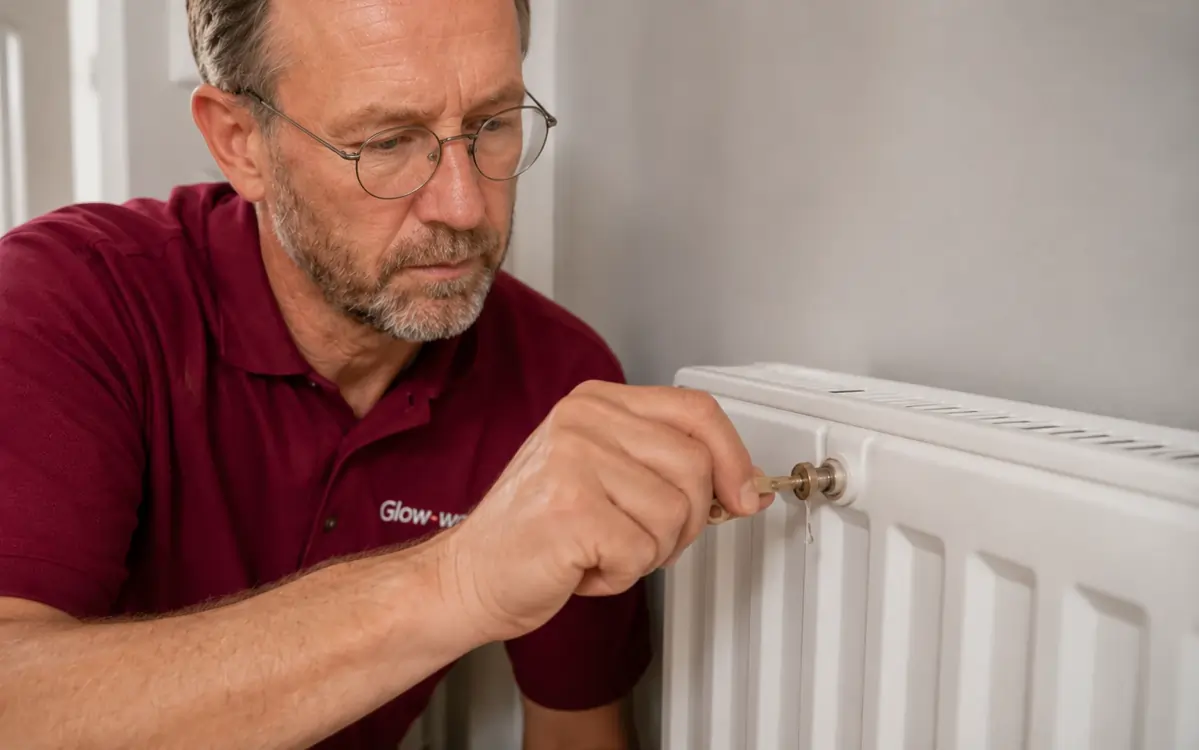
Every heating engineer passes up to 10 trade and individual related checks.
Free Domestic Use
It is free to use EmergencyLines, pay only the heating engineer for their service.
Dispatch Guarantee
Every heating engineer agrees to dispatch within 1hr where possible.
Emergency Heating in Belfast
Heating callouts in Belfast rise when belfast's northern latitude and Atlantic exposure creates a year-round emergency trades market with a severe winter peak. The extensive Victorian red-brick terrace streets of East, North and South Belfast generate sustained roofing and plumbing callout volume from October through March. October storms arrive from the north-west and generate immediate roofing callout spikes across the dense terrace streets of Woodvale, Ballynafeigh and Sydenham. Heating callouts peak November through January as the city's large pre-war terrace stock generates boiler failures. January and February produce the most significant freeze events of the year, Belfast winters can be severe, and original Victorian pipework in uninsulated terrace houses fails at lower temperatures than elsewhere in the UK due to specific building construction. The Titanic Quarter and expanding waterfront developments sustain year-round electrical demand. Belfast's housing runs from dense Victorian red-brick terraces across the inner city to interwar and post-war estates and modern apartment developments, and that older terraced stock is the backbone of its trades demand. An exposed position at the head of Belfast Lough brings frequent Atlantic storms, driving rain and sustained wind, so roofing callouts run heavily and peak October to January, with slipped slates, failed pointing and chimney leadwork the dominant modes across the terraced streets. The high rainfall keeps gutter and drainage callouts running through the wet season. Mild but damp winters mean boiler breakdowns concentrate November to January rather than spiking only on hard frosts, though cold snaps still burst pipework. Tight inner-city terraced parking also lengthens set-up on many roofing and plumbing callouts across the older streets. Boilers serving extensive rows of Victorian red-brick terraces, sprawling mid-century housing estates, and modern waterfront redevelopments spanning across the Lagan Valley often fail through pressure loss, frozen condensate pipes, ignition faults or weather-affected flues, so a Gas Safe engineer needs enough local context to arrive with the right fix.
Extensive rows of Victorian red-brick terraces, sprawling mid-century housing estates, and modern waterfront redevelopments spanning across the Lagan Valley. Intense Atlantic weather fronts bring driving rain, coastal gales, and rapid freeze-thaw cycles that ruthlessly exploit missing mortar, degraded slate, and ageing flat roofs. Belfast experiences a consistently high volume of emergency roofing callouts, driven by the combination of an ageing historic housing stock and harsh, unrelenting coastal storms.
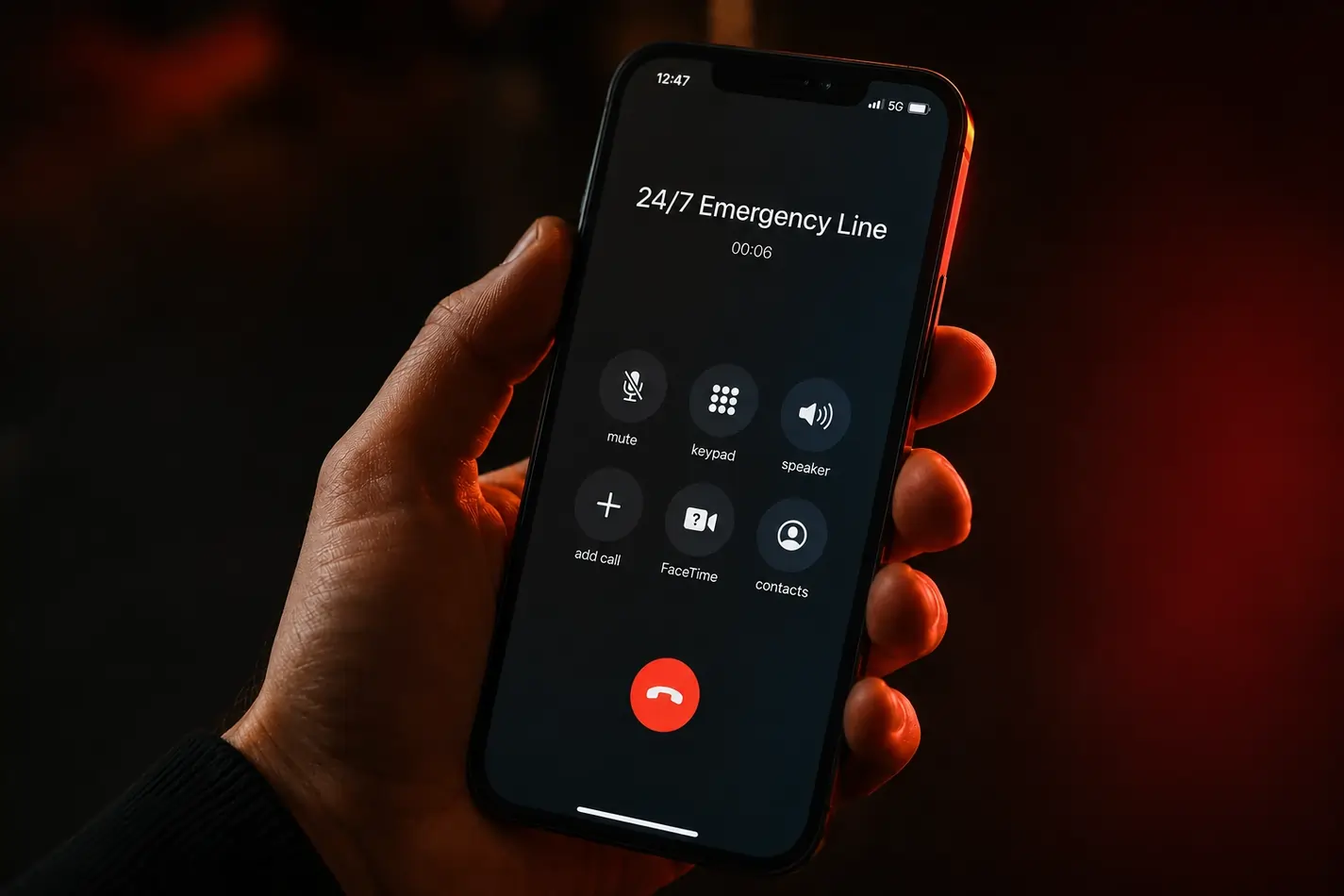
Enter your postcode and EmergencyLines finds the nearest available heating engineer to you - day or night, weekends and bank holidays included. You get a number, you call it, and you speak to the heating engineer directly. No call centre, no middleman, no waiting on hold.
Boilers, hard water and heating in Belfast
Belfast's water is soft (around 45 mg/l), so limescale risk to boilers and cylinders is low. With 15 air-frost days a year, a cold snap is when a struggling boiler finally locks out.
Water hardnessSoft≈45 mg/l CaCO₃
Limescale risk to boilersLowheat exchangers & cylinders
Air-frost days15/yrpeak boiler-failure season
Gas networkPhoenix Energy / firmus energymaintains the local gas mains
Local housing & conditions
Victorian1930sPost-warMild wintersAtlantic storm exposureCoastal salt exposure
Sources: Water-supply hardness by postcode area (mg/l CaCO₃), UK water companies; Open-Meteo ERA5 reanalysis, 2015-2024 daily means (air-frost days & annual rainfall); Build-era profile derived from local housing stock; Principal water supplier, gas distribution network and electricity DNO by postcode area.
Repair or replace your boiler in Belfast?
A quick steer before you decide - your Belfast engineer confirms it on the day.
Repair usually wins
Under about 10 years old
First major fault, not a pattern
Parts still readily available
Repair well under half a new install
Price up a replacement
12+ years old
Breaking down most winters
Repair nearing half the cost of new
Poor efficiency pushing up gas bills
Belfast's soft water is kind to heat exchangers, so age and reliability - not limescale - usually drive the decision here.
Common heating emergencies in Belfast
These are the heating callouts we see most across Belfast, shaped by the local housing and weather:
Boiler lockout in cold weatherHeating failures spike when belfast's northern latitude and Atlantic exposure creates a year-round emergency trades market with a severe winter peak. The extensive Victorian red-brick terrace streets of East, North and South Belfast generate sustained roofing and plumbing callout volume from October through March. October storms arrive from the north-west and generate immediate roofing callout spikes across the dense terrace streets of Woodvale, Ballynafeigh and Sydenham. Heating callouts peak November through January as the city's large pre-war terrace stock generates boiler failures. January and February produce the most significant freeze events of the year, Belfast winters can be severe, and original Victorian pipework in uninsulated terrace houses fails at lower temperatures than elsewhere in the UK due to specific building construction. The Titanic Quarter and expanding waterfront developments sustain year-round electrical demand. Belfast's housing runs from dense Victorian red-brick terraces across the inner city to interwar and post-war estates and modern apartment developments, and that older terraced stock is the backbone of its trades demand. An exposed position at the head of Belfast Lough brings frequent Atlantic storms, driving rain and sustained wind, so roofing callouts run heavily and peak October to January, with slipped slates, failed pointing and chimney leadwork the dominant modes across the terraced streets. The high rainfall keeps gutter and drainage callouts running through the wet season. Mild but damp winters mean boiler breakdowns concentrate November to January rather than spiking only on hard frosts, though cold snaps still burst pipework. Tight inner-city terraced parking also lengthens set-up on many roofing and plumbing callouts across the older streets; pressure faults, frozen condensate pipes and ignition errors are common emergency calls.
No hot water from a combi boilerDiverter valves, sensors and pressure faults leave homes across BT without hot water until a Gas Safe engineer attends.
Cold radiators after pressure lossRepeated pressure loss points to a leak or expansion-vessel fault, not just trapped air in the radiator.
Boiler flue or weather-related faultExposed homes can see wind and rain disturb flue terminals, locking out boilers at the worst time.
Suspected gas smell near the meterCall the National Gas Emergency line on 0800 111 999 first, then use a Gas Safe engineer for the repair once safe.
Boiler lockout in cold weather and no hot water from a combi boiler come up again and again here - usually down to the age and style of Belfast's housing. Whatever the cause, the priority is the same: a verified heating engineer covering Titanic Quarter, Belfast Lough and the rest of the city can make it safe quickly and tell you the cost before any work begins.
Quick check: what's it doing?
Pick what's happening and we'll give you the likely cause and the safe first step - then enter your postcode to reach a verified Belfast heating engineer.
Same-day
Likely cause: Often a diverter valve, a boiler fault or low pressure rather than the whole boiler.
Do this now: Check the pressure gauge reads about 1-1.5 bar and the gas and power are on, then call a Gas Safe engineer.
Same-day
Likely cause: Usually a pump, motorised valve or thermostat fault - not a dead boiler.
Do this now: Try bleeding the radiators and check the thermostat is calling for heat; book an engineer if not.
Act now
Likely cause: The boiler has locked out to keep itself safe.
Do this now: Note the fault code, reset once, and if it locks out again leave it and call a Gas Safe engineer.
Act now
Likely cause: A leak on the system or a failed valve is dropping the pressure.
Do this now: If you can see water, turn the boiler off; an engineer should find the leak before topping up repeatedly.
Same-day
Likely cause: Air, sludge or - in hard-water areas - limescale on the heat exchanger.
Do this now: Bleed the radiators; persistent noise or cold spots usually need a flush or descale.
Before your heating engineer arrives in Belfast
A few minutes of prep can limit the damage and get you sorted faster once the heating engineer is on the way:
Note the fault code shown on the boiler display
Check the pressure gauge reads roughly 1-1.5 bar
Keep one room warm with safe backup heating
Bleed any radiators that are cold at the top
Belfast areas and postcodes we cover
Our verified Belfast heating engineers cover Lagan Valley, South Belfast, Titanic Quarter, Belfast Lough, Belfast centre and older terrace streets, and every other neighbourhood besides - across the BT postcode districts and the wider Northern Ireland. If your postcode is in Belfast, there's a heating engineer near you.
Lagan Valley - extensive rows of Victorian red-brick terraces, sprawling mid-century housing estates, and modern waterfront redevelopments spanning across the Lagan Valley; emergency calls here often start with weather-driven roof leaks, pipe failures or overloaded electrics
South Belfast - atlantic storm exposure, high wind exposure, hard frosts compounds ageing roofs, external pipework and older consumer units during bad weather
Titanic Quarter - mixed local housing where intense Atlantic weather fronts bring driving rain, coastal gales, and rapid freeze-thaw cycles that ruthlessly exploit missing mortar, degraded slate, and ageing flat roofs keeps emergency trades demand active through the year
Belfast Lough - mixed local housing where intense Atlantic weather fronts bring driving rain, coastal gales, and rapid freeze-thaw cycles that ruthlessly exploit missing mortar, degraded slate, and ageing flat roofs keeps emergency trades demand active through the year
Belfast centre - mixed local housing where intense Atlantic weather fronts bring driving rain, coastal gales, and rapid freeze-thaw cycles that ruthlessly exploit missing mortar, degraded slate, and ageing flat roofs keeps emergency trades demand active through the year
older terrace streets - older terraces where shared walls, shallow roof voids and dated pipe runs can turn small faults into urgent callouts
post-war estates - post-war housing with ageing flat roofs, original pipe runs and consumer units reaching replacement age
newer housing estates - newer estates where snagging, combi-boiler faults and high electrical loads drive rapid-response work
Emergency heating in Belfast: your questions
How fast can a heating engineer reach me in Belfast?
As soon as you enter your postcode we find the nearest available heating engineer and hand you their number. There's no dispatcher in between - you call and agree timing with the heating engineer yourself, so most Belfast jobs are arranged within minutes.
Which parts of Belfast do you cover?
Every Belfast postcode and the surrounding Northern Ireland - from Lagan Valley, South Belfast, Titanic Quarter, Belfast Lough, Belfast centre and older terrace streets, through to the outer suburbs. Wherever you are in the city, there's a vetted local heating engineer on the network.
What's the most common heating emergency in Belfast?
In Belfast, boiler lockout in cold weather and no hot water from a combi boiler top the list - often down to the city's older housing stock. Describe what's happening on the call and your heating engineer arrives prepared.
Can I get an emergency boiler repair in Belfast?
Yes - a boiler breakdown is the most common heating emergency in Belfast. Enter your postcode and you'll see Gas Safe registered engineers available right now, day or night. You call directly, describe the fault or lockout code, and agree timing and price before any work starts.
I can smell gas in Belfast - who do I call first?
Treat it as an emergency. Call the National Gas Emergency Service on 0800 111 999 straight away - it's free, answered 24/7, and the same number wherever you are. Open doors and windows, turn the gas off at the meter if you can, and don't touch light switches, electrics or naked flames until it's made safe. In Belfast the gas mains are maintained by Phoenix Energy / firmus energy, who attend the emergency; a Gas Safe registered engineer then repairs the actual fault on your appliance or pipework once the supply is confirmed safe.
Is there a call-out charge in Belfast?
No - it costs nothing to enquire. You only pay once you've spoken to the heating engineer, agreed the work and it's complete. There's no charge just to find out who's available near you in Belfast.
Why does my boiler fail during cold snaps?
Cold snaps expose weak pressure vessels, frozen condensate pipes, tired pumps and ignition faults. In Belfast, those faults are most common when demand is highest, so give the engineer the boiler model, fault code and postcode.
Can heating be restored temporarily?
Sometimes. A Gas Safe engineer may restore safe operation, isolate a leaking radiator or advise temporary heating while parts are ordered. They should not bypass safety devices or run a boiler with a gas, flue or combustion fault.
EmergencyLines keeps a network of vetted heating engineers across Belfast on call around the clock, so there's almost always someone close by. Enter your postcode at the top of the page to see who's available near you right now - it's free to check, and you only pay once the job is done.